Independent concept by BASE 38 Preview only, not the official website

Canberra Reptile Zoo Australia
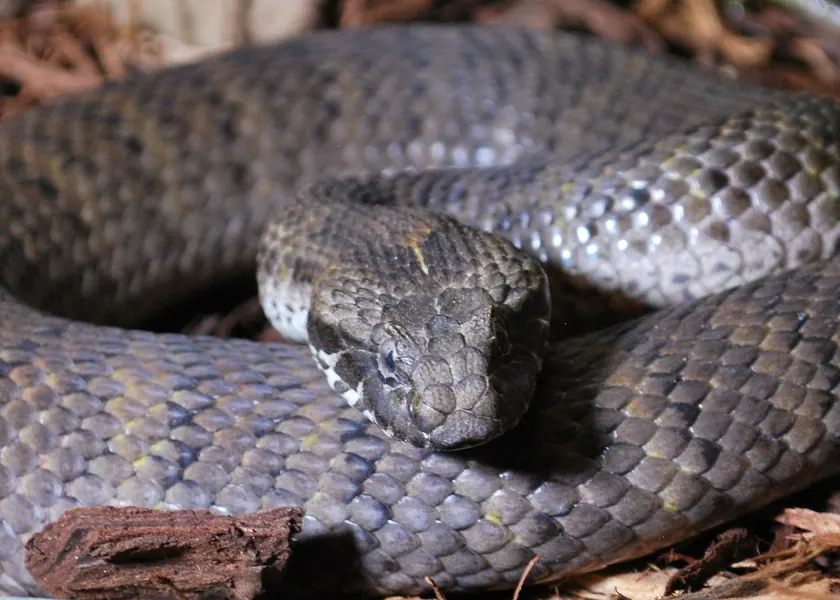
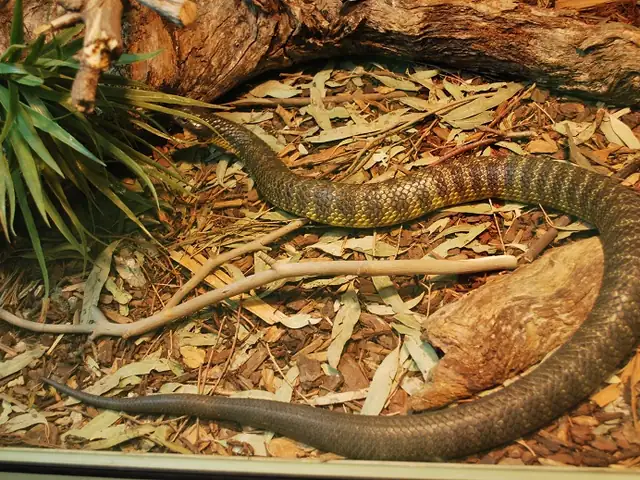
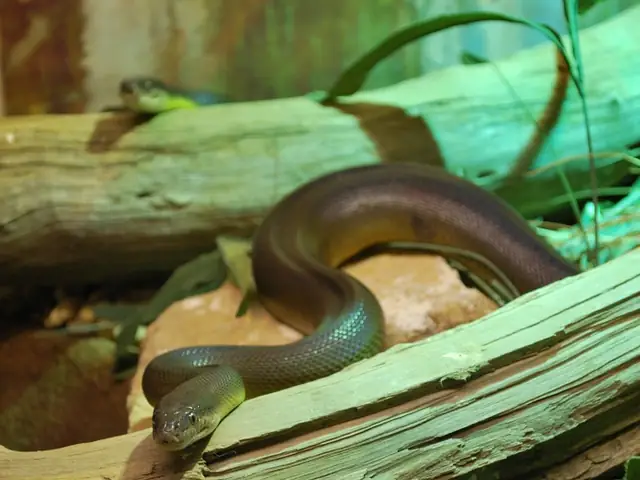
A death adder coiled on the floor of its enclosure, looking straight at the camera
Death adder, Canberra Reptile Zoo.

Gold Creek Village, Canberra

Closer than
you think.

An eastern brown. A death adder. A tiger snake. Three of the most venomous snakes on earth, one pane of glass away. And they are three of more than 100 species living here.

Meet the residents

Nineteen you can name.
Many more you can’t.

Some you can hold, with a keeper beside you. Some stay behind glass, for good reason. Every one of them is on the zoo’s own animal list.

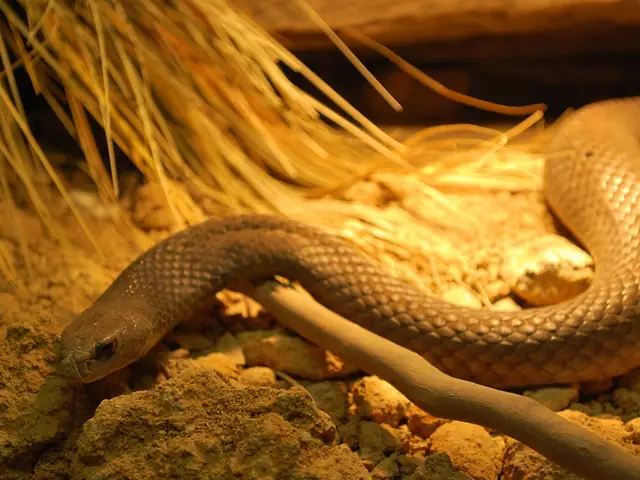
  • An eastern brown snake moving across sand

    Behind glass

    Eastern Brown Snake

    Widely ranked the second most venomous land snake in the world, and a regular in Canberra backyards.

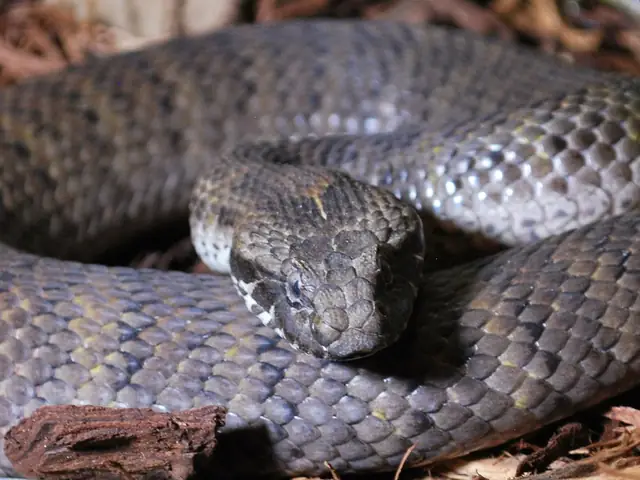
  • A death adder coiled, head facing the camera

    Behind glass

    Death Adder

    An ambush hunter that waits, motionless, and has one of the fastest strikes of any snake.

  • A tiger snake among leaf litter

    Behind glass

    Tiger Snake

    Banded, highly venomous and found right across southern Australia.

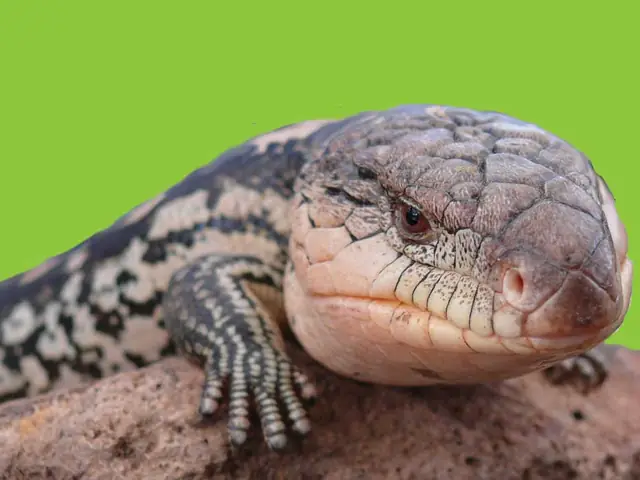
  • Close-up of a blue-tongue lizard

    Hands-on

    Blue-tongue Lizard

    The one you have probably already met, sunbaking on a Canberra driveway.

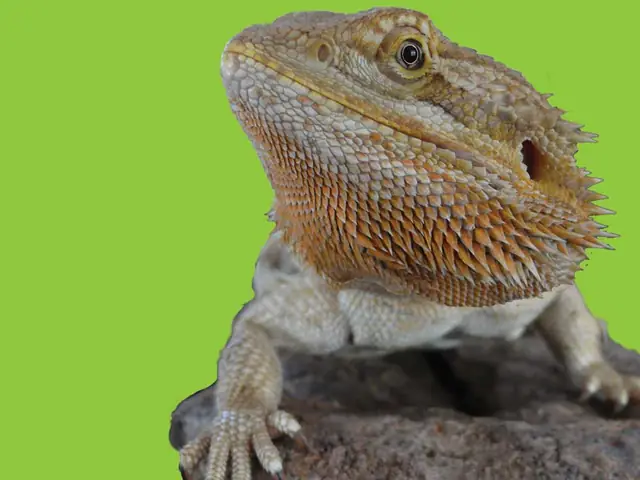
  • A bearded dragon facing the camera

    Hands-on

    Bearded Dragon

    Calm, curious and usually happy to sit on a hand while you ask questions.

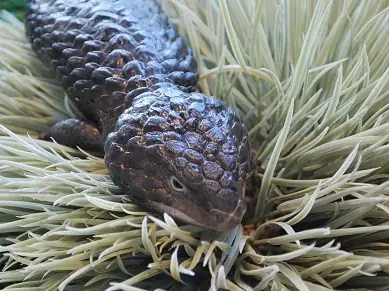
  • A shingleback skink among grass

    Hands-on

    Shingleback Skink

    Armour-plated, slow moving, and known for pairing up with the same partner season after season.

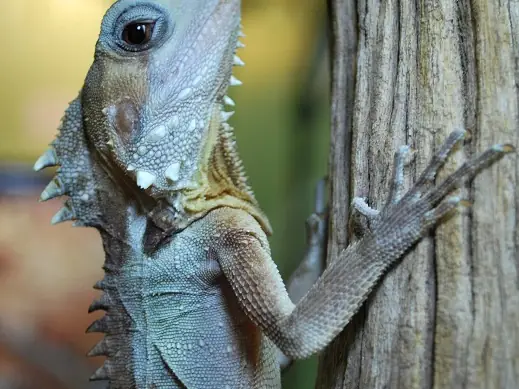
  • A Boyd's forest dragon clinging to a tree trunk

    Behind glass

    Boyd’s Forest Dragon

    A rainforest specialist that sits vertically on a trunk and simply waits you out.

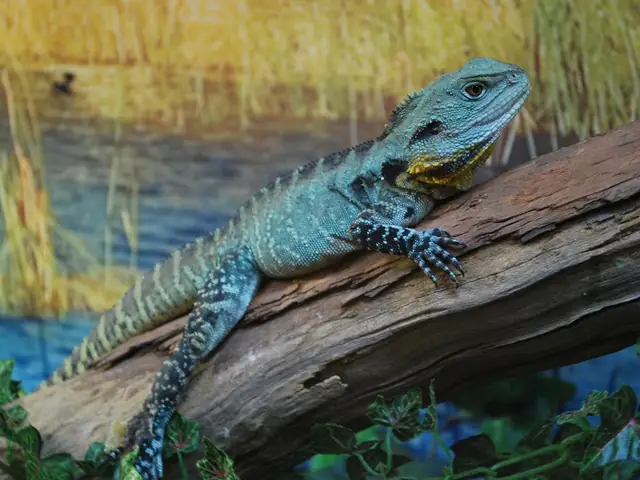
  • An eastern water dragon on a log

    Behind glass

    Eastern Water Dragon

    Fast on land, better in the water, and a common sight along east coast creeks.

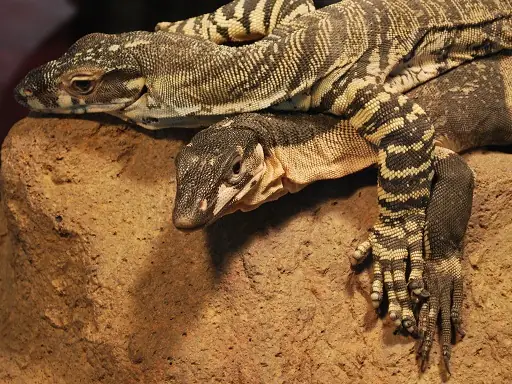
  • A lace monitor on sand

    Behind glass

    Lace Monitor

    One of Australia’s largest goannas, and a very good climber.

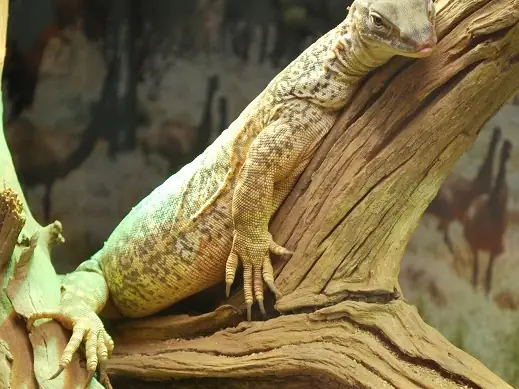
  • A sand goanna on a branch

    Behind glass

    Sand Goanna

    Built for open country, with claws that mean it.

  • A Spencer's monitor on a rock

    Behind glass

    Spencer’s Monitor

    A heavy-bodied goanna from the cracking clay soils of inland Australia.

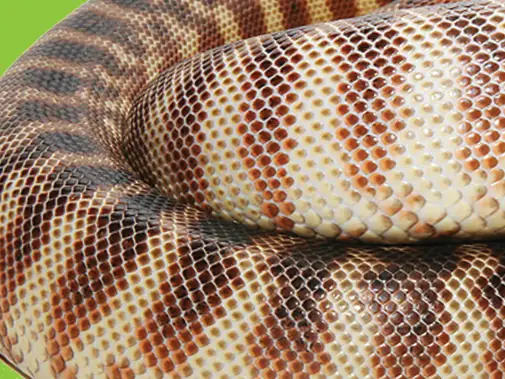
  • A black-headed python coiled

    Hands-on

    Black-headed Python

    Non-venomous, patterned like a woven basket, and heavier than it looks.

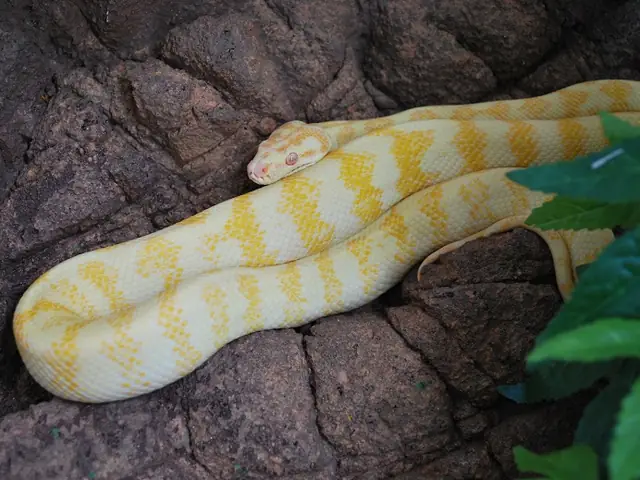
  • A Darwin python on a branch

    Hands-on

    Darwin Python

    A tropical carpet python, and often the first snake a nervous visitor touches.

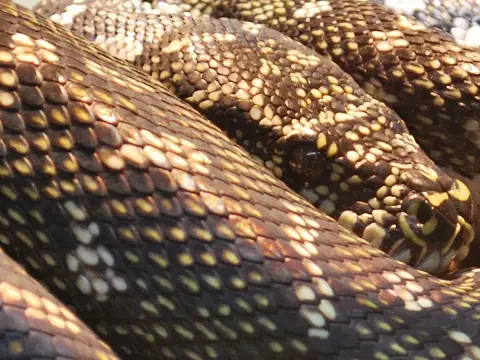
  • A diamond python coiled

    Hands-on

    Diamond Python

    Black with cream rosettes, and the coastal cousin of the carpet python.

  • A water python on a log

    Hands-on

    Water Python

    Iridescent in the right light, which is the whole reason people stop at this one.

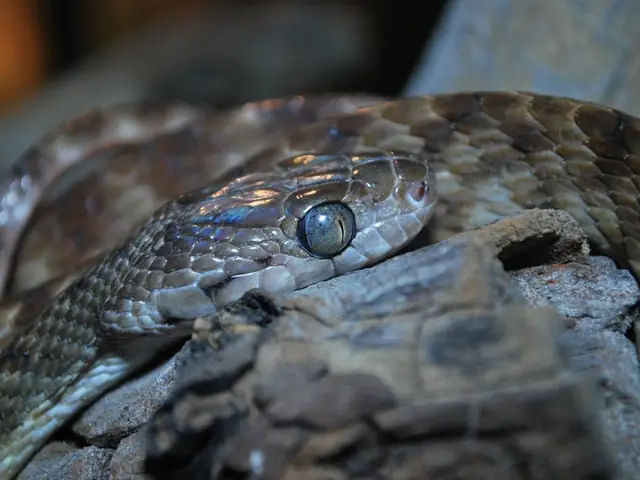
  • Close-up of a brown tree snake

    Behind glass

    Brown Tree Snake

    Big eyes, night shift, and a body built for moving through branches.

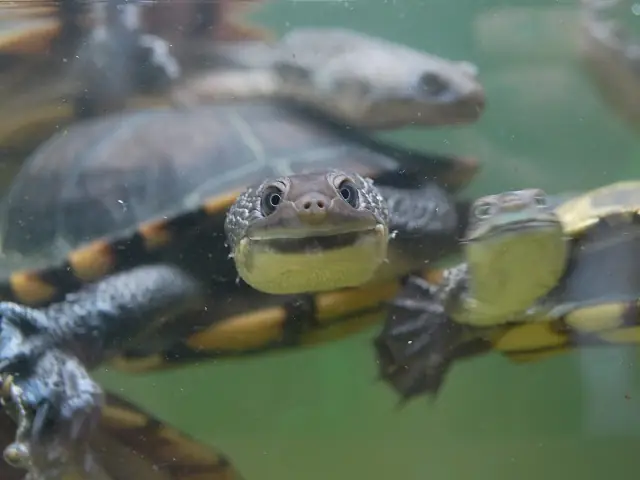
  • Eastern long-necked turtles swimming

    Behind glass

    Eastern Long-necked Turtle

    Folds that neck sideways under its shell, which is exactly as odd as it sounds.

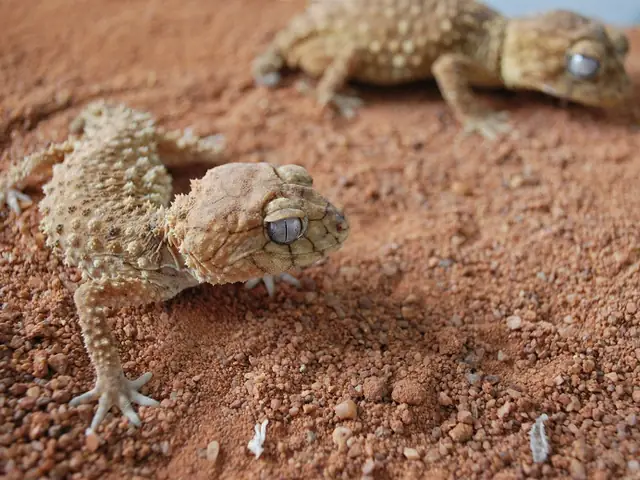
  • A thick-tailed gecko on red soil

    Behind glass

    Thick-tailed Gecko

    Stores fat in that tail, and barks when it has had enough of you.

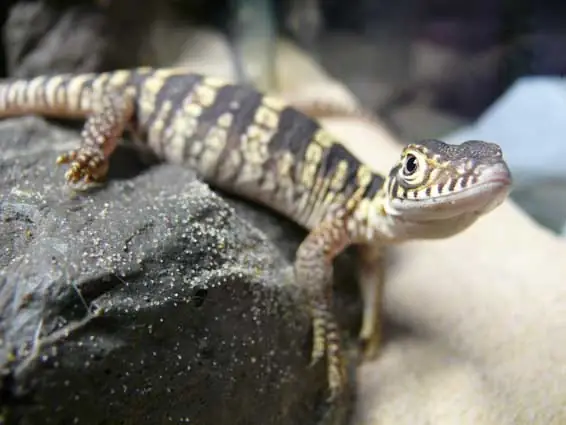
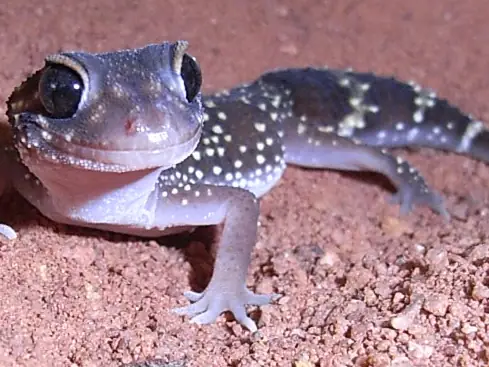
  • A knob-tailed gecko on sand

    Behind glass

    Knob-tailed Gecko

    All eyes and attitude, with a tiny knob on the tail that gives it the name.

1 of 19

Owls, gliders and possums live here too. Not everything at this zoo has scales.

A crocodile rises against the viewing glass while a group of children watch from the other side

What a visit is like

You don’t just see them. You meet them.

Feel the armour of a crocodile or the smooth scales of a blue-tongue. Watch a python feed. Touch a snake for the first time and find out it is nothing like you expected.

The zoo’s own line is that you can talk face to face with the keepers, and that is the part people remember. Sessions run on the animal’s terms, so no two visits are quite the same.

  • Open 7 days 10am to 5pm, closed only on Christmas Day
  • All weather Every exhibit is inside or undercover
  • Free parking Right outside, with overflow nearby
  • Step-free Disabled access to all areas of the zoo

What it costs

Counter prices below. The zoo lists online tickets as discounted, so the live price is always the one on their booking page.

  • Adult$25
  • Concession$18
  • Child 4 to 16 years$15
  • Family 2 adults and 2 children, or 1 adult and 3 children. $10 per extra child.$70

Annual passes are also available. Prepaid tickets are valid for one year from the date of purchase and are non-refundable.

Book on the official site

Come as you are

Quiet Hour, and a few
other things worth knowing.

  • Quiet Hour

    The zoo runs periodic sessions with reduced audio and activity for visitors who find noise and movement hard, and announces the dates. On any other day, ask a keeper for the calmest corner.

  • Assistance animals

    Welcome, as protected under ACT law. Check in on arrival and staff will route you past the sensitive species.

  • Step-free entry

    Staff open a side entrance on request. Ask when you arrive, or phone ahead.

  • Accessible toilets

    On site. Ask staff for the nearest one. For accessible parking and a set-down point near the entrance, call ahead and they will guide you in.

The zoo publishes a full Inclusion and Accessibility Policy, a climate action plan and a child safety commitment. This is the short version a visitor needs before they walk in.

Bring everyone

Parties, schools, and
the zoo on the road.

Same keepers, same animals, built around whoever is standing in front of them.

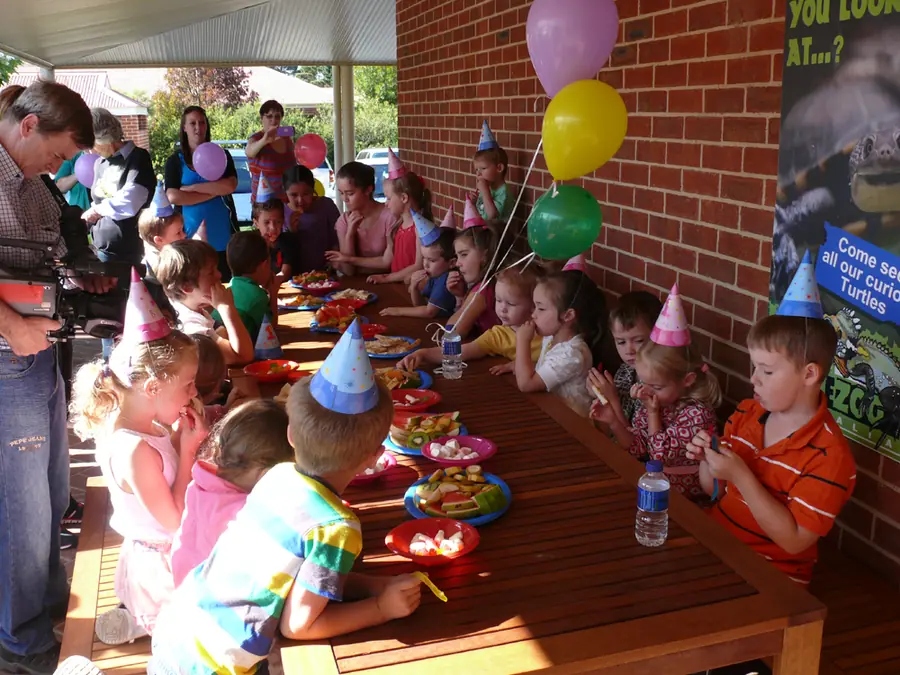
  • Children in party hats along a long table at the zoo

    $350 flat

    Zoo parties

    Two hours in your own undercover function area for up to 15 children and 10 adults, $10 per extra person. Free BBQ and kitchen, zoo entry for every guest, a 40 minute private hands-on reptile show and the playground.

    Five time slots each Saturday and Sunday. $100 deposit to book. Private functions from $200.

    Party details and booking
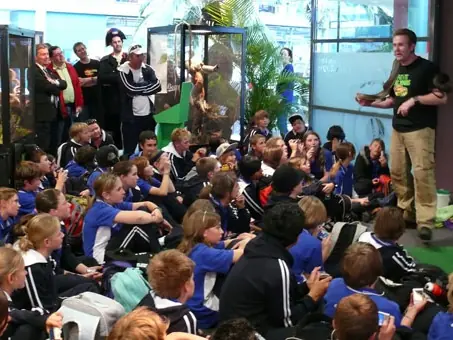
  • A keeper presenting to a room full of school students sitting on the floor

    10 to 200 students

    Schools and groups

    Flexible 90 minute day programs from early learning through to university, with an optional 30 minute break. Night programs bring out the gliders, owls and possums.

    Fully enclosed site, two outdoor playgrounds, licensed and insured, risk management plan included with every booking.

    Education programs
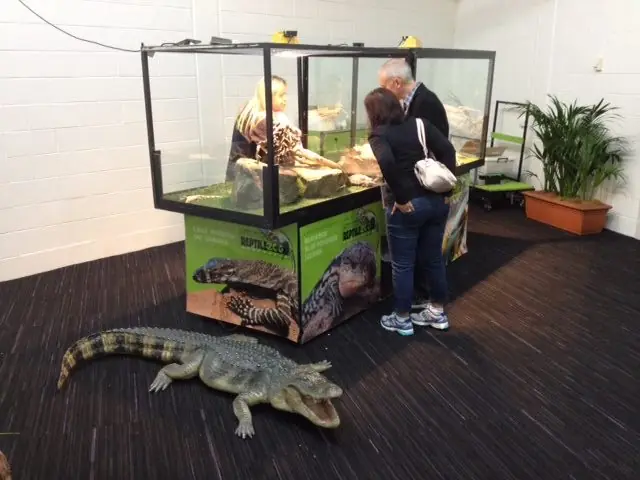
  • A mobile reptile display set up indoors with a handler beside it

    60 minutes, at your place

    The zoo comes to you

    Mobile incursions across the ACT for classrooms and assemblies, plus fetes, festivals, expos and shopping centres. An experienced handler, a supervised patting enclosure and information posters for every animal.

    Native Australian animals only. Venomous species never travel. Minimum space 3 by 6 metres.

    Mobile displays

1 of 3

How this started

A garage in 1999.
An award in 2025.

Canberra Reptile Zoo began in a suburban Canberra garage. It is now a not-for-profit sanctuary dedicated to conserving Australia’s native fauna, built by the community, for the community.

Last year the Canberra Region Tourism Awards named it the region’s best tourist attraction, and highly commended it for visitor education on top of that.

  • 100+ species of reptiles, amphibians and native animals
  • 4.4 from 176 Tripadvisor reviews, and 4.6 on Google
The Canberra Reptile Zoo entrance at Gold Creek, framed by a painted snake sculpture

Find us

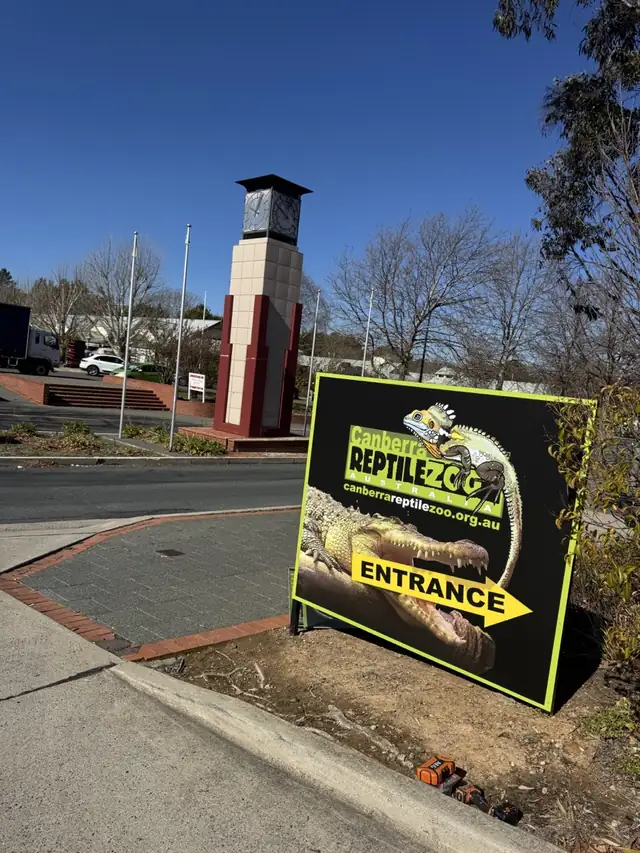
Opposite the clock tower,
behind Injoy Cafe.

Where
O’Hanlon Place, Nicholls ACT 2913
Gold Creek Village
When
10am to 5pm, 7 days
Closed Christmas Day
The Canberra Reptile Zoo entrance sign beside the Gold Creek clock tower

About this concept

Built from what the zoo already publishes.

What I guessed at

The layout and the tone are mine. So is the one-line note under each animal, and the hands-on or behind-glass label, which is my assumption and not the zoo’s word. Species names, prices, programs, hours and the access details all come from the zoo’s own pages. The photography is the zoo’s own.

What I’d do next

Check every animal note with a keeper. Photograph the species that have no good picture yet, and the team. Put Quiet Hour dates and school availability where a parent or a teacher can find them.

Who did this

I’m Steve, and I build websites for small Australian businesses. This one took an afternoon. It is a concept, not a pitch deck, and nothing here is switched on.

base38.com.au
Why this looks different
This is a concept, not the zoo’s site

Everything on this page is public information the zoo already publishes, put in the order a visitor needs it: who lives here, what it costs, and how to get in.

Read the full note